Directions
TMJ Disorders & Migraine Treatment

TMJ Disorders & Migraine Treatment

Home » TMJ Disorders & Migraine Treatment

Understanding the Link Between TMJ Disorders and Migraine Treatment in Fort Wayne, Indiana

Have you ever wondered why your migraines seem to worsen with jaw pain or difficulty chewing? The connection between temporomandibular joint (TMJ) disorders and migraines is often overlooked but can be a crucial factor in managing chronic headaches. At Tooth Acres Dentistry in Fort Wayne, Indiana, we specialize in diagnosing and treating TMJ disorders that contribute to migraine pain, helping our patients find lasting relief and improved quality of life. Here are some commonly asked questions about TMJ disorders and their relationship to migraines.

What is the connection between TMJ disorders and migraines?

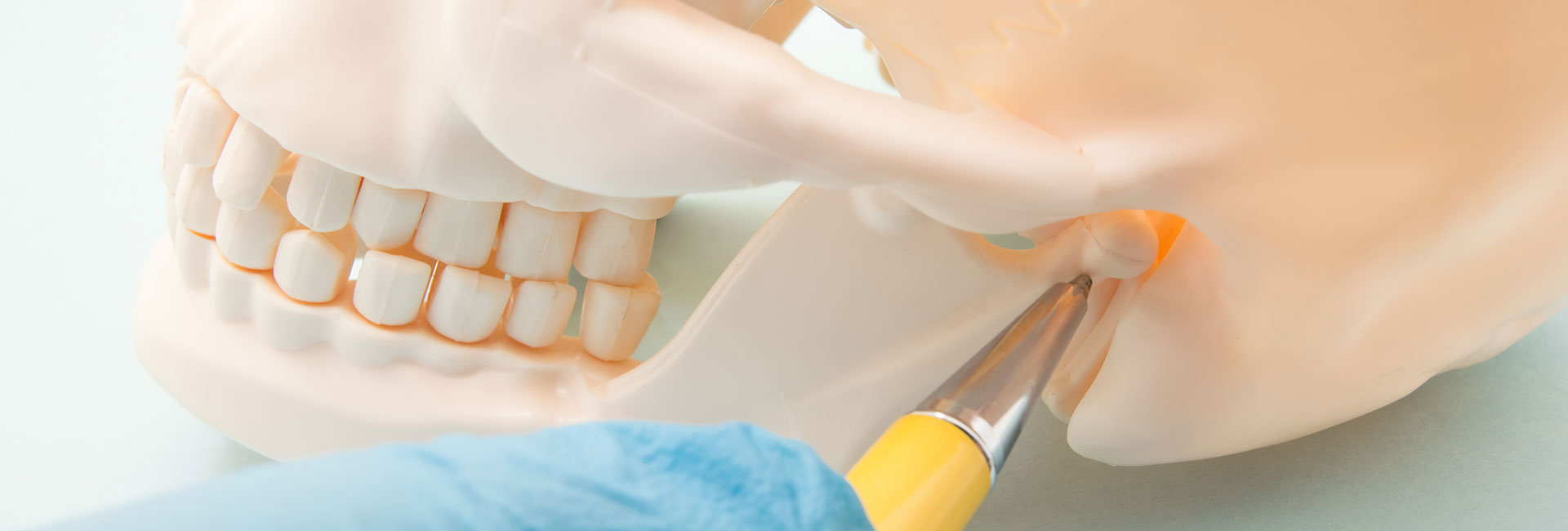
TMJ disorders affect the jaw joint and surrounding muscles, often causing pain that radiates to the head and neck. This discomfort can trigger or intensify migraines by stimulating nerves and muscles linked to headache pain. Understanding this connection is vital because addressing TMJ dysfunction can reduce the frequency and severity of migraines.

How can TMJ disorders trigger or worsen migraine headaches?

When the jaw joint is misaligned or stressed, it can cause muscle tension and inflammation in the head and neck area. These factors may activate pain pathways in the brain, leading to migraine headaches. Additionally, teeth grinding or clenching—common with TMJ disorders—can further exacerbate muscle strain, contributing to migraine episodes.

What are the common signs and symptoms of TMJ disorders that Fort Wayne residents should watch for?

Symptoms often include difficulty opening or closing the mouth, jaw pain or tenderness, popping sounds in the jaw, clicking or headaches localized around the temples, earaches, and facial pain. Recognizing these signs early can help prevent prolonged discomfort and chronic migraine patterns.

What diagnostic methods are used to identify TMJ-related migraines?

Our team at Tooth Acres Dentistry assesses the condition of the jaw joint using a combination of clinical exams, patient history, and imaging studies such as X-rays or MRI scans. A comprehensive evaluation helps differentiate migraines caused by TMJ dysfunction from other headache types, ensuring the most effective treatment approach.

$175

Take Home Teeth Whitening Kit

Ask about our take home teeth whitening kit for only $175!

Interested?

What treatment options are available for TMJ disorders that may reduce migraine frequency and severity?

Treatment often begins conservatively with dental appliances like splints or night guards that relieve jaw pressure and protect teeth from grinding. Physical therapy, pain management techniques, and lifestyle modifications may also be recommended. Sometimes, minimally invasive procedures or medication adjustments are necessary to control symptoms.

How effective are dental appliances, such as splints or night guards, in managing TMJ-related migraines?

Custom-fitted dental appliances can significantly decrease muscle tension and jaw misalignment, often leading to fewer and less severe migraines. These devices help distribute bite forces evenly and reduce clenching habits, allowing jaw muscles to relax and heal.

TMJ Pain correction
TMJ Pain correction

Can lifestyle changes or physical therapy help alleviate symptoms of TMJ disorders and migraines?

Yes. Stress reduction, gentle jaw exercises, improved posture, and avoiding habits like gum chewing or nail-biting can reduce TMJ strain. Physical therapy may include massage, ultrasound, or stretching exercises that target tight muscles around the jaw and neck, contributing to migraine relief.

Yes. Stress reduction, gentle jaw exercises, improved posture, and avoiding habits like gum chewing or nail-biting can reduce TMJ strain. Physical therapy may include massage, ultrasound, or stretching exercises that target tight muscles around the jaw and neck, contributing to migraine relief.

Are there minimally invasive or non-surgical treatments for TMJ disorders causing migraines?

Many patients find relief through non-surgical approaches like dental appliances, physical therapy, and medications to manage inflammation or muscle spasms. When necessary, procedures such as Botox injections can be used to relax muscles and decrease migraine frequency without surgery.

How long does it typically take to see improvement in migraines after starting TMJ treatment?

Improvement timelines vary, but many patients notice reduced headache frequency and intensity within a few weeks to a few months of consistent treatment. Regular follow-ups help monitor progress and adjust therapies to maximize relief.

When should a patient seek specialized care for TMJ-related migraine management in Fort Wayne?

If you experience frequent migraines accompanied by jaw pain, clicking, or limited mouth movement, it’s important to consult a specialist promptly. Early intervention can prevent worsening symptoms and improve treatment outcomes.

Can TMJ treatment reduce the need for migraine medications?

For many patients, addressing TMJ disorders decreases migraine occurrences and severity, which may reduce reliance on pain medications. Our personalized treatment plans aim to improve your overall health and quality of life with the least dependency on drugs.

Living with migraines tied to TMJ disorders can be challenging, but understanding the connection and available treatments is the first step toward relief. The dedicated team at Tooth Acres Dentistry in Fort Wayne, Indiana, is committed to helping you regain comfort and reduce migraine pain through tailored TMJ care.

TMJ Disorders FAQs

What are common signs of TMJ disorders?

Common signs of TMJ disorders include jaw pain, clicking or popping sounds when opening your mouth, facial discomfort, difficulty chewing, and headaches. Some patients may even notice their jaw locking in place. These symptoms can affect daily comfort and may worsen over time if not treated. Dr. Alyssa Fisher at Tooth Acres Dentistry offers non-invasive solutions to help relieve discomfort and restore normal jaw function without surgery.

How are TMJ disorders connected to chronic migraines?

TMJ disorders often contribute to chronic migraines due to the strain they place on the muscles around the jaw and head. When your temporomandibular joint isn’t functioning properly, it can trigger tension and nerve-related headaches. Patients dealing with frequent migraines may not realize their jaw is a contributing factor. Dr. Alyssa Fisher provides customized treatments at Tooth Acres Dentistry to help alleviate jaw tension and reduce the frequency and intensity of migraine episodes.

Can a dentist treat TMJ disorders effectively?

Dentists like Dr. Alyssa Fisher are well-equipped to treat TMJ disorders through non-surgical methods. These may include custom oral appliances, bite adjustments, and lifestyle recommendations. While some cases may require referral to a specialist, most patients find relief from dental solutions that realign the jaw and reduce muscle strain. If you’re struggling with jaw pain, headaches, or other TMJ-related symptoms, a dental evaluation can be a valuable first step toward long-term relief.

What types of treatments are available for TMJ issues?

Treatment options for TMJ disorders vary based on the underlying cause but often include oral splints, nightguards, and bite therapy. Dr. Alyssa Fisher may also suggest stress-reduction techniques or exercises to relax the jaw. At Tooth Acres Dentistry, treatment is personalized to each patient’s symptoms and lifestyle, ensuring optimal comfort and function. In many cases, these non-invasive options provide lasting relief without surgical intervention.

How does a nightguard help with TMJ problems?

A nightguard is a custom-made dental appliance worn during sleep to reduce clenching and grinding—common habits that aggravate TMJ symptoms. Nightguards help relieve muscle tension and protect the joints by cushioning the teeth and promoting jaw alignment. At Tooth Acres Dentistry, Dr. Alyssa Fisher designs nightguards tailored to each patient’s bite, making them more effective and comfortable than over-the-counter alternatives. Wearing a nightguard consistently can significantly reduce morning jaw pain and headaches.

Is TMJ disorder permanent, or can it be cured?

TMJ disorder isn’t always permanent and can often be managed or even resolved with proper care. Some patients experience temporary symptoms due to stress or injury, while others may need ongoing treatment. Dr. Alyssa Fisher provides individualized care plans to help patients minimize discomfort and improve jaw function over time. Early intervention can prevent symptoms from worsening and improve quality of life. While there’s no one-size-fits-all cure, many patients find long-term relief through dental treatment.

When should I see a dentist for jaw pain or migraines?

If you’re experiencing persistent jaw pain, popping sounds, headaches, or migraines, it’s a good idea to consult a dentist familiar with TMJ issues. Dr. Alyssa Fisher at Tooth Acres Dentistry can evaluate whether your symptoms are related to jaw joint dysfunction and recommend appropriate treatment. Early diagnosis is key to preventing complications and improving daily comfort. Even if you’re unsure whether the pain is dental-related, a consultation can help rule out possible causes.

Find lasting relief from TMJ pain and migraines by connecting with our Fort Wayne experts to create a personalized treatment plan today. Call (260) 235-2992 to schedule your consultation and take a confident step toward a pain-free life.

Alyssa Fisher, DDS EAT Bio

Alyssa Fisher, DDS

Dr. Alyssa Fisher earned her Bachelor of Science degree with a Minor in Communication from Purdue University before graduating with her Doctor of Dental Surgery degree from Indiana University School of Dentistry in May 2018. Passionate about volunteering, she actively participates in service trips. Dr. Fisher is also a recipient of the Dental Economics Rising Stars Award, which recognizes her significant contributions and potential in the field of dentistry.

Dr. Lauren Goertzen

Dr. Lauren Goertzen earned her undergraduate degree in Biology from Butler University and then went on to receive her Doctor of Dental Medicine from Midwestern University College of Dental Medicine. During her studies, she actively participated in advanced research at both institutions. Dr. Goertzen is dedicated to providing high-quality dental care and staying current with the latest advancements in the field through continuing education. Her commitment to excellence in patient care and ongoing professional development distinguishes her in the field of dentistry.

Lauren Goertzen, EAT Bio

Read Our
Success Stories

Come see us
in the barn

We are proudly a 5-Star dental office that cares! We have restored thousands of smiles with various treatment options available that are best suited to your needs.